-
Ancient eras
Nubian, Kushite and Meroitic civilizations developed powerful states along the Nile Valley.
-
Medieval period
Christian Nubian kingdoms and diverse political and cultural centers shaped the region.
-
Sudanese sultanates
The Funj Sultanate of Sennar, Darfur Sultanate and other regional states emerged.
-
1821–1885
Large parts of Sudan came under Turco-Egyptian rule, followed by the Mahdist revolution.
-
1885–1898
The Mahdist state ruled from Omdurman until the reconquest campaigns.
-
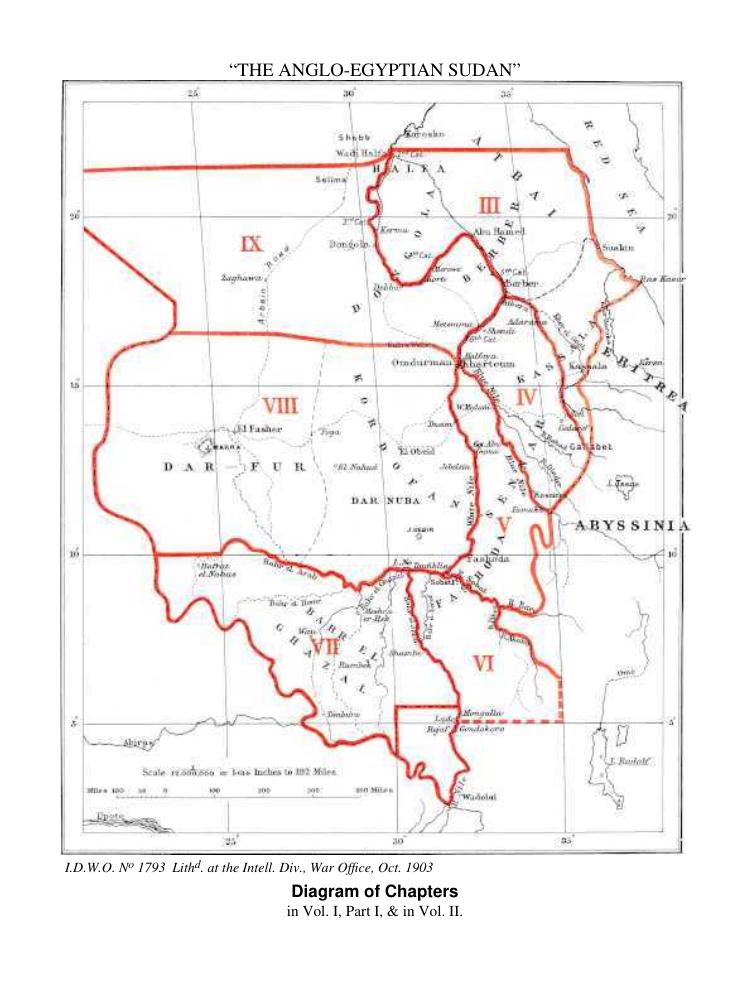
1899–1956
The Anglo-Egyptian Condominium period; the historical library volume on this site was published in 1905.
-
1956
Sudan achieved independence and entered the modern national period.
-
2005
The Comprehensive Peace Agreement ended a long civil war and created the path to a southern self-determination referendum.
-
2011
South Sudan became independent following the referendum, leaving Sudan and South Sudan as separate sovereign states.
-
Modern period
Peace, state-building, justice and development remain central national challenges and major themes in the party program.
Sudanese Nile Vally Congress Party
History of Sudan
A concise timeline of major civilizational and political periods, supported by a digital library of historical reference materials.
Historical Library
The library provides historical materials for research and reading. The uploaded 1905 reference is included here in full.
The Anglo-Egyptian Sudan (1905)
A two-volume compendium prepared by officials of the Sudan Government of the period. Volume I includes geographical, descriptive and historical sections, maps, illustrations, and material on resources, commerce and administration in the early twentieth century.